Getting Started with ESG Reporting on Rampart
How SMEs can start ESG reporting, and how Rampart’s ESG & Sustainability collects data once and reports it to BRSR, GRI, CDP and more.
ESG2 min read
"Sustainability is not just a responsibility; it's an opportunity"
ESG Reporting with Rampart
Embracing Environmental, Social, and Governance (ESG) reporting is no longer an option; it’s a necessity for businesses to thrive in today’s sustainable-focused landscape.
Like large corporates, SMEs play a crucial role in sustainability, and adopting ESG reporting can drive positive change while enhancing credibility and attracting stakeholders.
In this post, we look at how SMEs can get started with ESG reporting, and how Rampart’s ESG & Sustainability helps.
Getting Started with Rampart’s ESG & Sustainability
Choosing your metrics: We configure Rampart to your sites, roles and the ESG metrics and frameworks you report to, such as BRSR or GRI.
Bringing in your data: Import existing ESG data, and collect new data from every site and business unit in one central place.
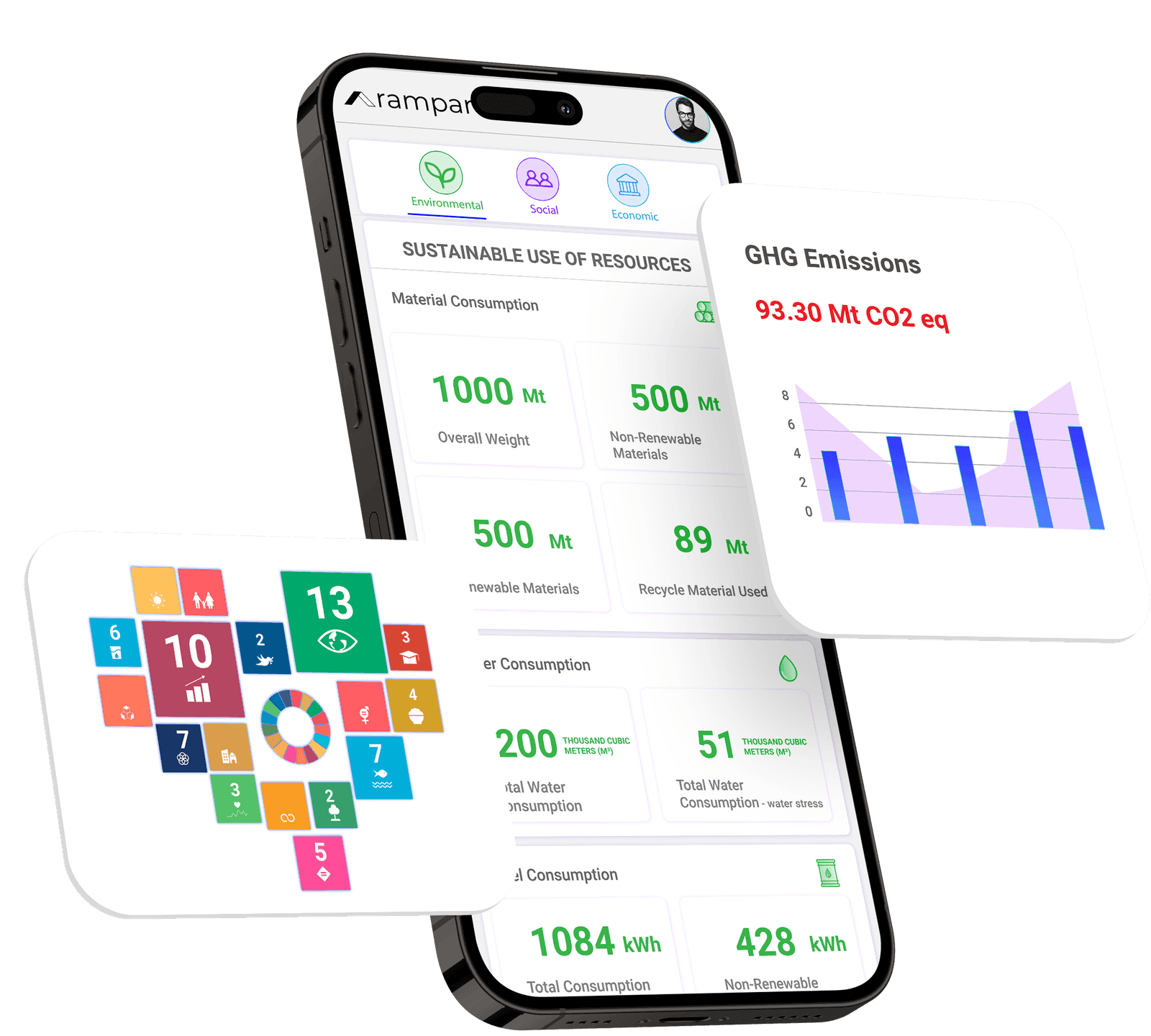
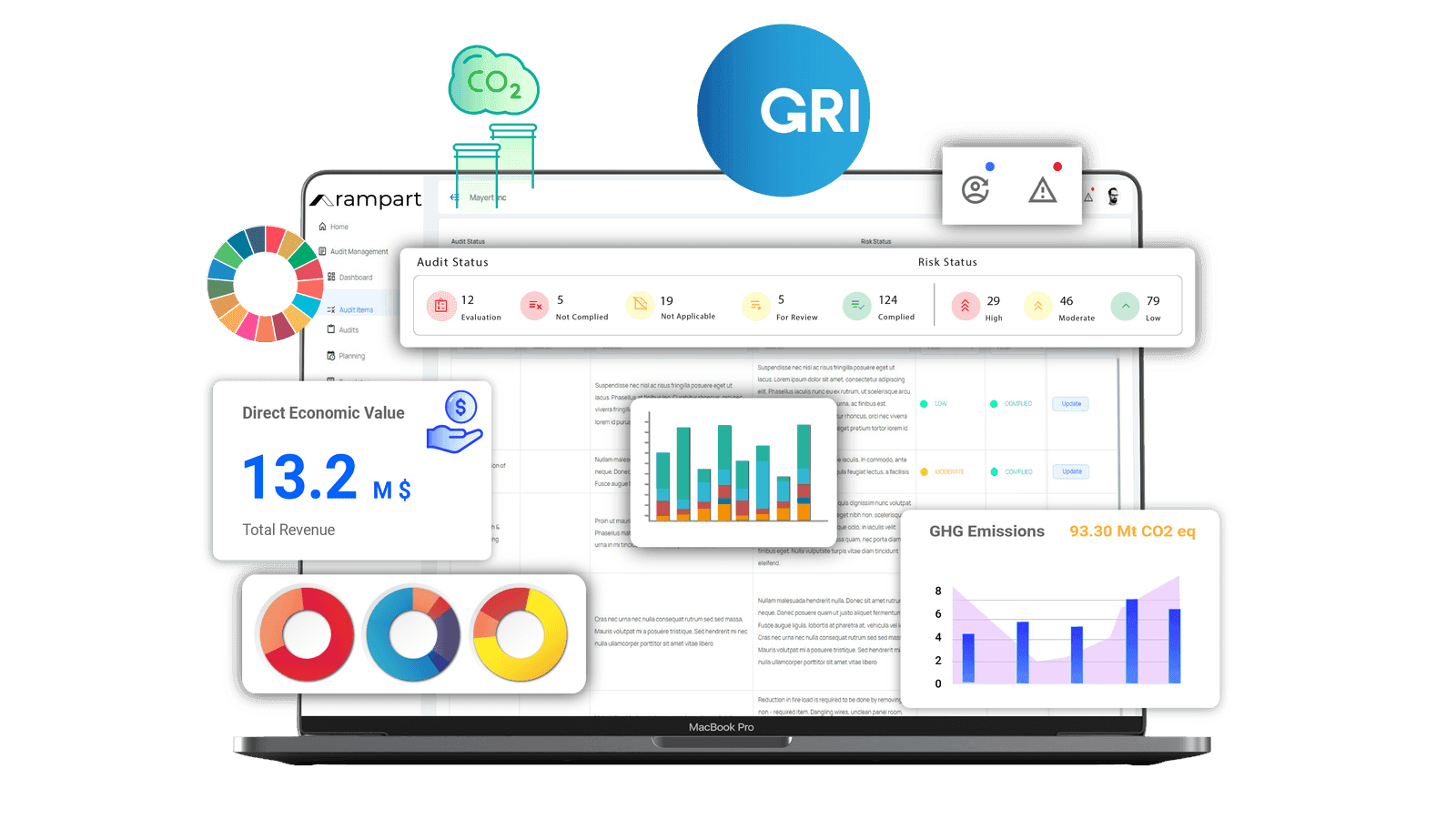
What Rampart Provides
Rampart’s ESG & Sustainability supports the whole reporting cycle, from data collection to published report.
- Cloud platform: Rampart runs in the cloud, and your data can be hosted in India.
Reporting: Collect data once and report it to BRSR, GRI, SASB, TCFD, CDP, UNGC, the WEF stakeholder capitalism metrics and SDR.
Analytics: Analyse emissions, diversity, labour and governance data to set and track targets.
Mobile web: Capture data on site from the responsive mobile web app.
ESG solutions in general help organisations measure, track and report their environmental, social and governance performance. They typically cover:
Data Collection : ESG solutions can aggregate data from multiple sources, such as financial records, environmental impact assessments, social performance indicators, and corporate governance practices.
ESG Performance Tracking: These solutions can assist businesses in monitoring their ESG performance over time, helping them identify strengths, weaknesses, and areas for improvement.
Reporting and Compliance: ESG sustainability solutions often provide tools to generate comprehensive sustainability reports aligned with industry standards and regulatory requirements.
Benchmarking and Comparisons: Businesses can use ESG solutions to compare their ESG performance against industry peers, sector averages, or established best practices.
Risk Assessment: ESG solutions may help identify ESG-related risks and opportunities, allowing businesses to make informed decisions to mitigate risks and capitalize on positive trends.
Stakeholder Engagement: ESG sustainability solutions can aid in engaging stakeholders by providing transparent and credible ESG performance data.
Sustainability Strategy: Businesses can leverage ESG data to develop and refine their sustainability strategies, setting meaningful goals and targets.
By starting ESG reporting now, SMEs can meet disclosure requirements as they arrive and show stakeholders credible sustainability performance.
Rampart’s ESG & Sustainability
One set of figures: Collect data once and reuse it for every framework, instead of rebuilding a spreadsheet for each one.
Data from every site: Collect ESG data across sites and business units in one central record, and import the data you already have.
Trusted data: Centralised data for transparency, security and consistency.
Dashboards: See your key sustainability metrics in one place and track progress against your targets.