Mock Drills Every Six Months: What the Hazardous Chemical Rules Ask of Your On-Site Emergency Plan
Rule 13 of the MSIHC Rules, 1989 asks a major accident hazard installation to keep its on-site emergency plan up to date, drill it every six months and report each drill to the authority. What that means in practice.
EHS & HSSE6 min read
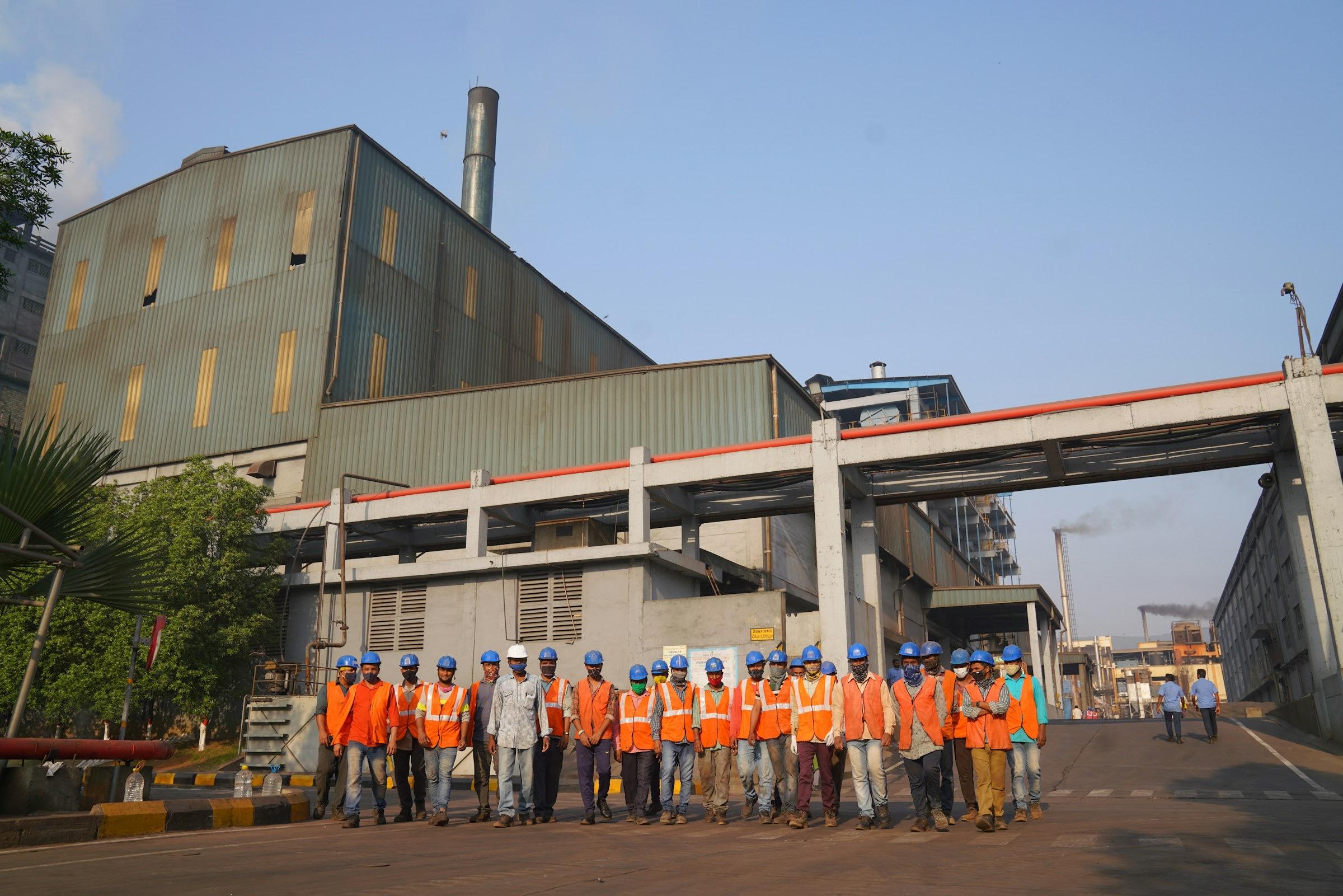
If your plant holds a hazardous chemical above the threshold in the Manufacture, Storage and Import of Hazardous Chemical Rules, 1989, rule 13 asks for two things that are easy to let slide: an on-site emergency plan kept up to date, and a mock drill of that plan every six months. A detailed report of each drill has to be made available to the authority straight away. If your last drill was in June, the next one is due this month.
Most plants that come under these rules did their paperwork once, when the site was set up. The plan was written, filed and approved, and then the plant changed around it. New tanks went in, a supervisor left, the assembly point moved when the new shed was built. A drill every six months is the rules' way of catching that drift, as long as the drill tests the plan as it is written, and the plan is fixed afterwards.
Which sites the rules cover
Rule 6 sets the scope for the duties in rules 7 to 15. They apply to an industrial activity that involves a chemical listed in Schedule 3 in a quantity equal to or more than the threshold given for it, and to isolated storage of a chemical listed in Schedule 2 above its threshold. The rules call these major accident hazard installations.
So the test is the quantity on site, not the size of the workforce. A 60-person unit storing a listed solvent in bulk can be in scope while a much larger assembly plant is not. Check the schedules against your maximum inventory, not your average, because the rules look at the quantity involved in the activity.
What rule 13 asks of the occupier
The duty sits with the occupier. Rule 13 says the occupier shall prepare and keep up to date an on-site emergency plan with the details set out in Schedule 11. The plan must name the person responsible for safety on the site and the people authorised to take action under it.
For a new industrial activity, the plan has to exist before the activity starts. For one that already existed when the rules came in, the rules gave 90 days.
Then come the two sub-rules that recur:
- Rule 13(4): the occupier shall ensure that a mock drill of the on-site emergency plan is conducted every six months.
- Rule 13(5): a detailed report of the mock drill shall be made immediately available to the concerned authority.
Two words in there matter. "Keep up to date" means the plan is a living document, not the version approved years ago. And the drill is a drill "of the on-site emergency plan", so a fire evacuation practice that ignores the chemical scenarios in your plan does not really meet it.
The plan outside the fence
Rule 14 gives the off-site emergency plan to the concerned authority listed in Schedule 5, not to you. Your part is to give that authority the information it asks for about your activity, including the nature, extent and likely effects off-site of possible major accidents. The rule asks for the off-site plan to be rehearsed at least once in a calendar year.
Rule 15 then puts a duty back on the occupier: inform people outside the site, directly or through the District Emergency Authority, of the nature of the major accident hazard and the safety measures, with the do's and don'ts to follow in a major accident. If the houses or units next door have changed since you last did this, it is worth doing again.
And if the worst happens, rule 5 requires the occupier to notify the concerned authority within 48 hours of a major accident on the site, follow up with a report in the format of Schedule 6, and tell the authority the steps taken to avoid a repeat.
Why six-monthly drills drift
The first drill after a plan is approved is usually done properly. The trouble starts around the third or fourth.
Say a plant ran its drills in December and June for two years. Then a December drill is pushed to January because of a shutdown, June's is merged with a fire department visit, and the report of that one is a photograph of people at the assembly point. Nobody decided to stop drilling. The interval simply stretched, and the reports stopped saying what was tested and what went wrong.
The other common gap is between the drill and the plan. A drill finds that the emergency control room phone is dead, or that the deputy incident controller named in the plan left in March. The finding is noted in the drill report, but the plan is not changed, and the next drill finds the same thing.
A drill that does what rule 13 intends
- Pick a scenario from your own plan. Take a credible release or fire involving a chemical you actually hold, and rotate scenarios between drills.
- Use the people the plan names. If the plan says the shift in-charge raises the alarm and the works manager is incident controller, those are the people who act. Where someone named has left, that is your first finding.
- Time the steps. Note when the alarm was raised, when the control room was manned, when the headcount at the assembly point was complete, and when outside help would have been called.
- Write the report the same day. What was simulated, who took part, the times, what worked and what did not. This is the detailed report rule 13(5) refers to, so it should stand on its own for someone who was not there.
- Turn findings into actions with owners. A dead phone or a blocked route needs a person and a date, and the next drill should check it was fixed.
- Update the plan. Change the names, numbers and routes the drill showed were wrong, and date the new version.
- Book the next drill now. Put a date six months out on the calendar before the report is filed, so the interval does not stretch.
Contract workers deserve a mention. On many sites they are the people nearest the tanks and the least likely to have been in the last drill. Include them, count them at the assembly point, and check they know the alarm.
Where Rampart fits
Rampart keeps each site's emergency response plan as a record: its scenarios, the response roles with a named person and a deputy, assembly points, internal and outside contacts, and the equipment the plan depends on. A plan is signed off before it is in force, earlier approved versions are kept, and the plan shows gaps such as an unfilled role or equipment overdue for maintenance. Drills are recorded against a plan and one of its scenarios. A drill with a frequency schedules the next one when it is conducted, overdue drills are flagged, and corrective actions from a drill are tracked to closure.
See EHS & HSSE for what's included, or book a demo below.
Sources
- The Manufacture, Storage and Import of Hazardous Chemical Rules, 1989, as amended (text hosted by the Punjab Pollution Control Board): rules 5, 6, 13, 14 and 15
- The same rules as published by the Department of Factories and Boilers, Government of Kerala
This article summarises the rules as of November 2026. It is general information, not legal advice: thresholds, authorities and any state requirements differ, so check the rules that apply to your sites.